Research shows the positive effect of a healthy diet on a wide range of serious health problems. Particularly when managing chronic concerns like Crohn's Disease, planning a diet of foods and beverages that help minimize the flare ups and prevent future consequences is the best way to ensure a happy, comfortable and productive life now and for years to come.
Because Crohn's Disease affects the digestive tract evaluating all aspects of your diet is important. Modifying your diet in keeping with the information currently available will do much to inhibit unexpected bouts of serious symptoms of your Crohn's Disease. Both the intensity and the frequency of attacks will be moderated if dietary adjustments are made. The key is eating the right foods, avoiding foods that trigger episodes and keeping quantities in check during any one meal.
Work on balancing protein and carbohydrates in your diet, adding just a small amount of high quality, unsaturated fat. As everyone who suffers from Crohn's disease has a slightly varying tolerance to different foots, consider keeping a food diary. Note what you eat and record any reactions, positive or negative, to your choices.
Fruits and vegetables are full of water and fiber, both of which are helpful in maintaining healthy bowel movements. Occasionally a particular type will cause problems, but you will be able to catch that issue with your food diary. Vegetables from the Brassica family like cabbage and broccoli can be troublesome. Usually people with Crohn's should avoid dairy products. Mounting evidence leans toward following a gluten free diet as well as staying caffeine and alcohol-free.
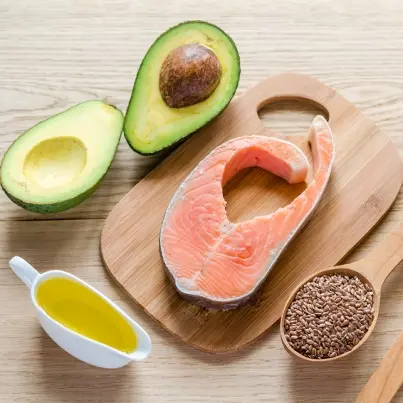
When selecting proteins for managing Crohn's symptoms emphasize sources low in saturated fats and oily fish with high levels of healthy Omega-3. Consider a high quality Omega-3 supplement if fish is hard to find or otherwise unappealing.
Experts advise eating sparingly at each meal so as not to overwhelm the digestive system of a Crohn's sufferer. They suggest eating several well-balanced small meals each day to keep symptoms at bay.
Staying hydrated is also of critical importance. Not only do all the tissues of your body require proper hydration to function as intended, flushing toxins out of your system is important, especially when dealing with a disease that impacts the digestive system. Keep it simple and drink lots of water, aiming for consuming at least eight glasses per day.
Changes in diet alone will not cure Crohn's Disease but will go along way toward reducing the symptoms and damage the condition causes. As research continues more natural ways to mitigate the disease will be uncovered. Keep abreast of these developments for optimum health.
If you suffer from Crohn's disease please visit my blog site for more information on Crohn's diesease and diet at: http://www.richmondblogbeast.com/chrons-disease-symptons-affects-diet/